Seasons/Availability
Curly parsley is available year-round.
Selection
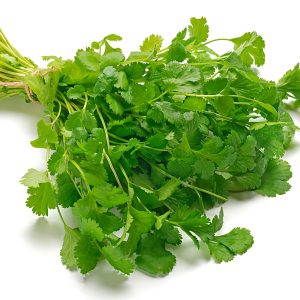
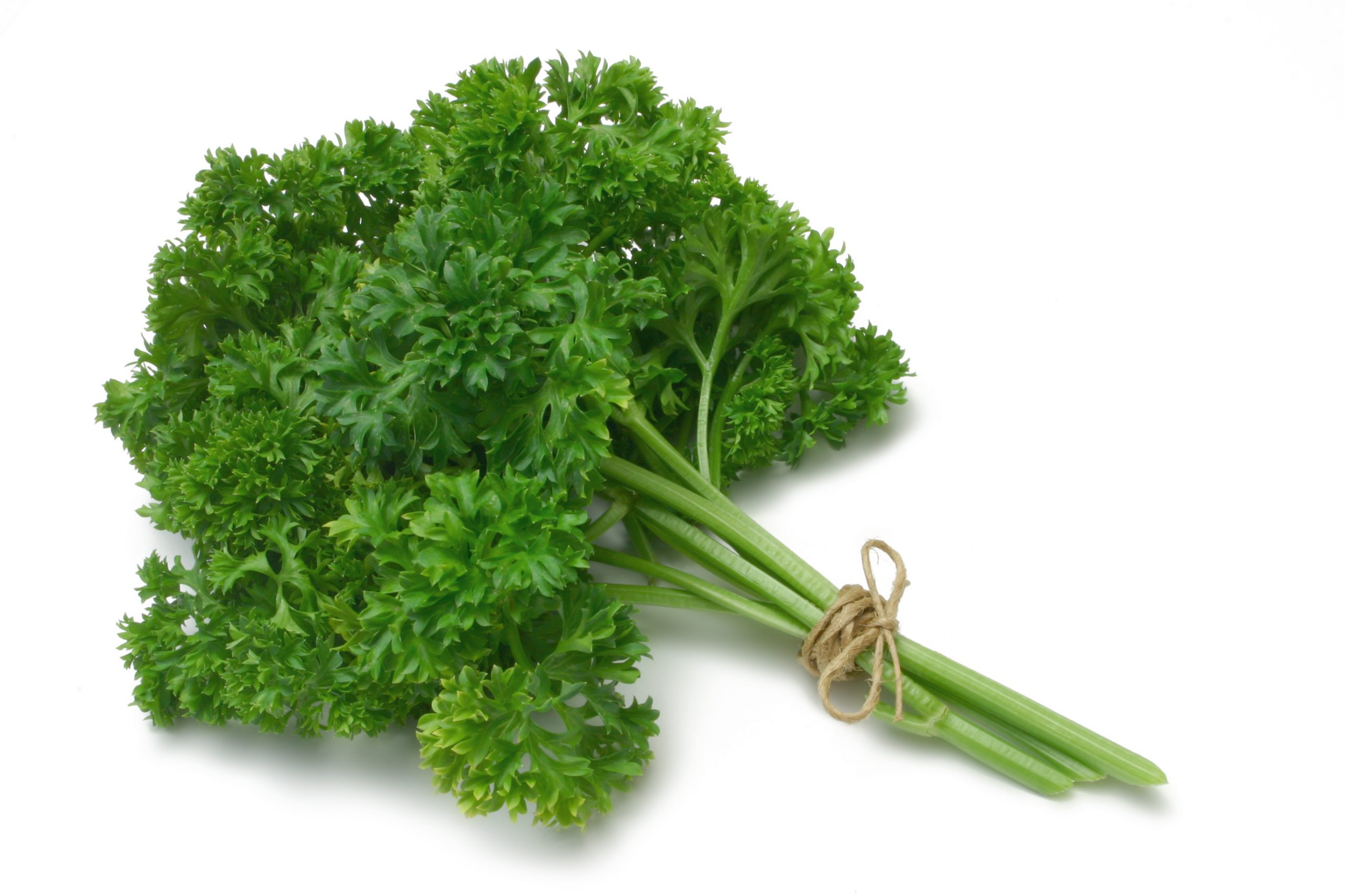
When selecting curly parsley, look for vibrant deep green leaves that are not wilted or discolored. Avoid bunches with yellowing leaves.
Storage
Curly parsley can be stored in the refrigerator for up to a week in a plastic bag. To preserve its flavor and freshness, wrap it loosely in damp paper towels before placing in the bag. Alternatively, it can be washed and dried thoroughly, then frozen for longer storage. Do not store near strong-smelling foods as this will affect the flavor of the parsley. For best results, use frozen parsley within three months of freezing.
Preparation
Parsley is most often used raw as a garnish or flavoring to finish a dish. It can also be cooked gently by briefly wilting it in oil or butter, and adding it to soups and sauces at the end of cooking. When chopping parsley for garnish, leave the leaves whole or chop them lengthwise instead of crosswise which will create small wet pieces. To store fresh parsley for extended use, hang stems upside down in a cool dry place. Freshly frozen chopped parsley can be stored in an airtight container and used over time as needed.
Nutrition
Curly parsley is low in calories but packed with antioxidants, vitamins A and C, iron, potassium, magnesium and dietary fiber; it’s also high in folate content. Parsley is also thought to have antibacterial, anti-fungal and antiseptic properties.
Cooking
Curly parsley can be used in a variety of dishes. It’s commonly used as a garnish, but it can also be chopped finely and added to salads, soups, sauces, egg dishes and rice pilafs. Parsley pairs especially well with bright flavors like lemon juice or zest, garlic, onion or shallot. It can also be blended with other herbs for herbed butter or compound butter. Try adding some fresh parsley to roasted vegetables for color and flavor. For a simple appetizer, try wrapping prosciutto around asparagus spears and topping with chopped parsley.
When using parsley as a garnish, add it at the end of cooking for maximum flavor and color.
Health Benefits
Parsley is thought to have many health benefits, such as reducing inflammation, supporting gut health and aiding digestion. It’s also high in vitamins and minerals which can help boost immunity and provide essential nutrients for overall well-being. Parsley has been linked to helping reduce bad cholesterol levels, lower blood pressure and improving kidney function. Additionally, its antioxidant content may help protect against certain types of cancer. It’s important to note that more research is needed on these potential health benefits. However, adding chopped parsley to dishes is a great way to get an extra dose of nutrition into your meals!