
Seasons/Availability
Spinach is available year-round.
Selection
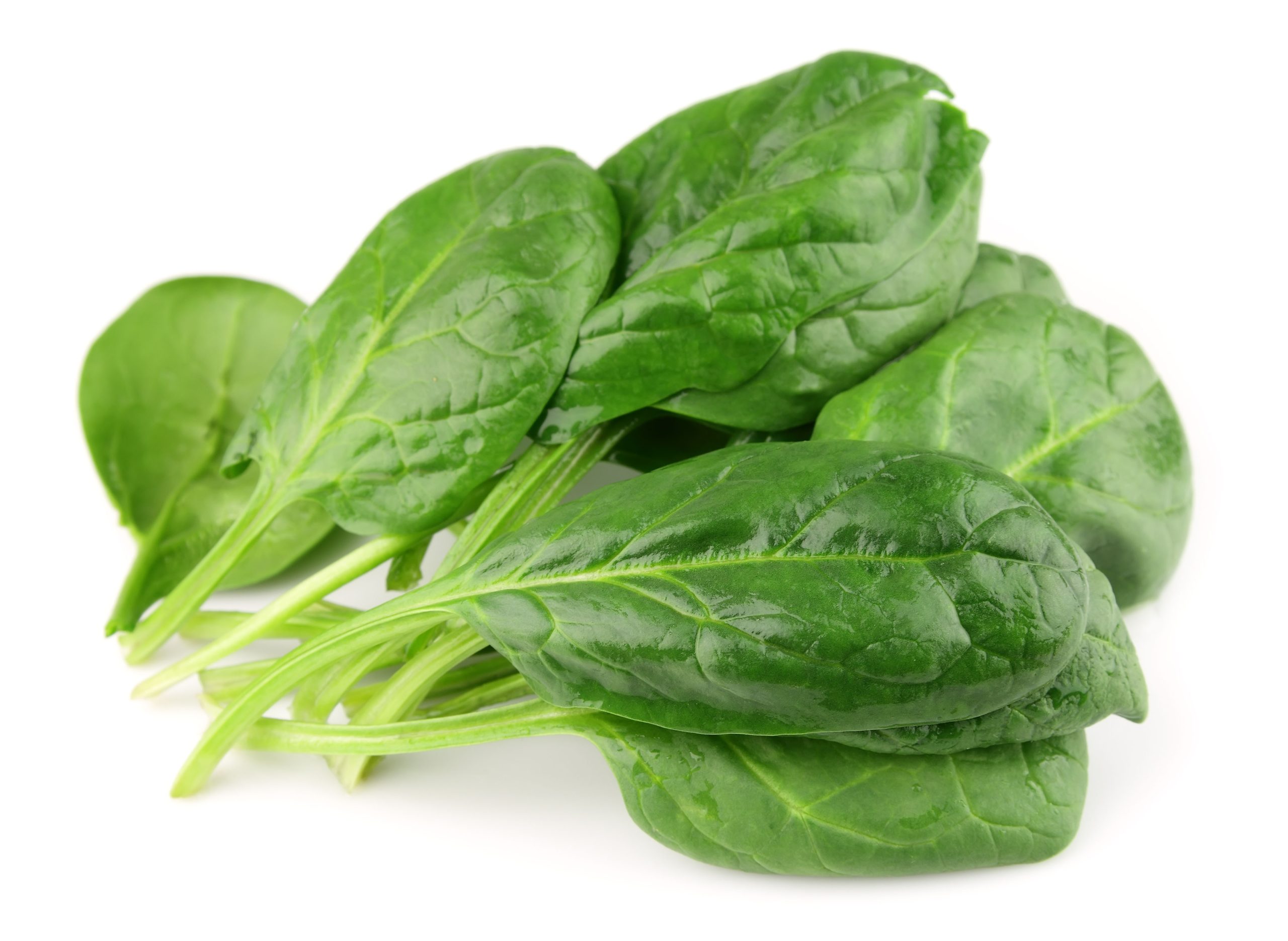
Choose Spinach that is bright, vibrant green and free of wilted or slimy leaves. Avoid any bunches with yellowed, spotted, or rotten leaves.
Storage
Spinach should be stored in a plastic bag in the refrigerator crisper for up to 4 days. Do not wash before storing as water will cause it to spoil more quickly. If necessary, trim off any discolored portions before using. Cooked Spinach should be stored in a covered container in the refrigerator and used within 2-3 days.
Preparation
Spinach can be served raw or cooked. Raw Spinach may be added to salads, sandwiches, wraps, smoothies, and juices. It is an excellent addition to stir-fries, soups, pasta dishes, and omelets. To prepare Spinach, first thoroughly rinse the leaves in cold water and gently pat them dry with paper towels or a kitchen towel. Remove any coarse stems before cooking or serving. When using cooked Spinach, you can remove excess moisture by pressing it between two layers of paper towels or cheesecloth before adding to your recipe.
Nutritional Value
Spinach is an excellent source of vitamins A and C as well as potassium and iron. It also contains fiber, folate, calcium, magnesium, phosphorus, zinc, selenium, copper and manganese.
Tips
• Add Spinach to your favorite dishes such as omelets, pasta, pizza, and stews for a nutritional boost.
• To get the most out of its nutrients and flavor, use raw or slightly cooked Spinach in salads or sandwiches.
• Try sautéing Spinach with garlic and olive oil for a quick side dish.
• Use cooked Spinach as an easy way to add extra vitamins and minerals to smoothies or soups.
• Store unwashed fresh Spinach in the refrigerator crisper drawer in a plastic bag for up to 4 days. Cooked Spinach should be used within 2-3 days.
• Serve Spinach as a side dish to balance out a meal with more calcium-rich foods such as dairy products.
• Add lightly cooked Spinach to an omelet for a nutritious and tasty breakfast.
• Steam Spinach in the microwave for an easy and healthy side dish.
• Use fresh or frozen spinach instead of canned to get the most nutrition from your food.
Health Benefits
Spinach is a rich source of vitamins, minerals, antioxidants and other phytonutrients that are beneficial for health. Studies have shown that eating foods high in these nutrients can help reduce the risk of chronic diseases such as cancer, heart disease, diabetes and obesity. Spinach is also a good source of dietary fiber which helps to promote healthy digestion and keep you feeling fuller for longer. Additionally, the iron content in spinach can help prevent anemia, while its high levels of vitamin A and C can help boost immunity.
Finally, eating spinach may be beneficial for skin health due to its carotenoid antioxidants such as lutein and beta-carotene which act as free radical scavengers that protect against cell damage and aging. Overall, adding spinach to your diet is an excellent way to get a nutrient-rich food that can provide numerous health benefits.
