
Seasons/Availability
Lychees are available in the late spring through mid-summer.
Current Facts
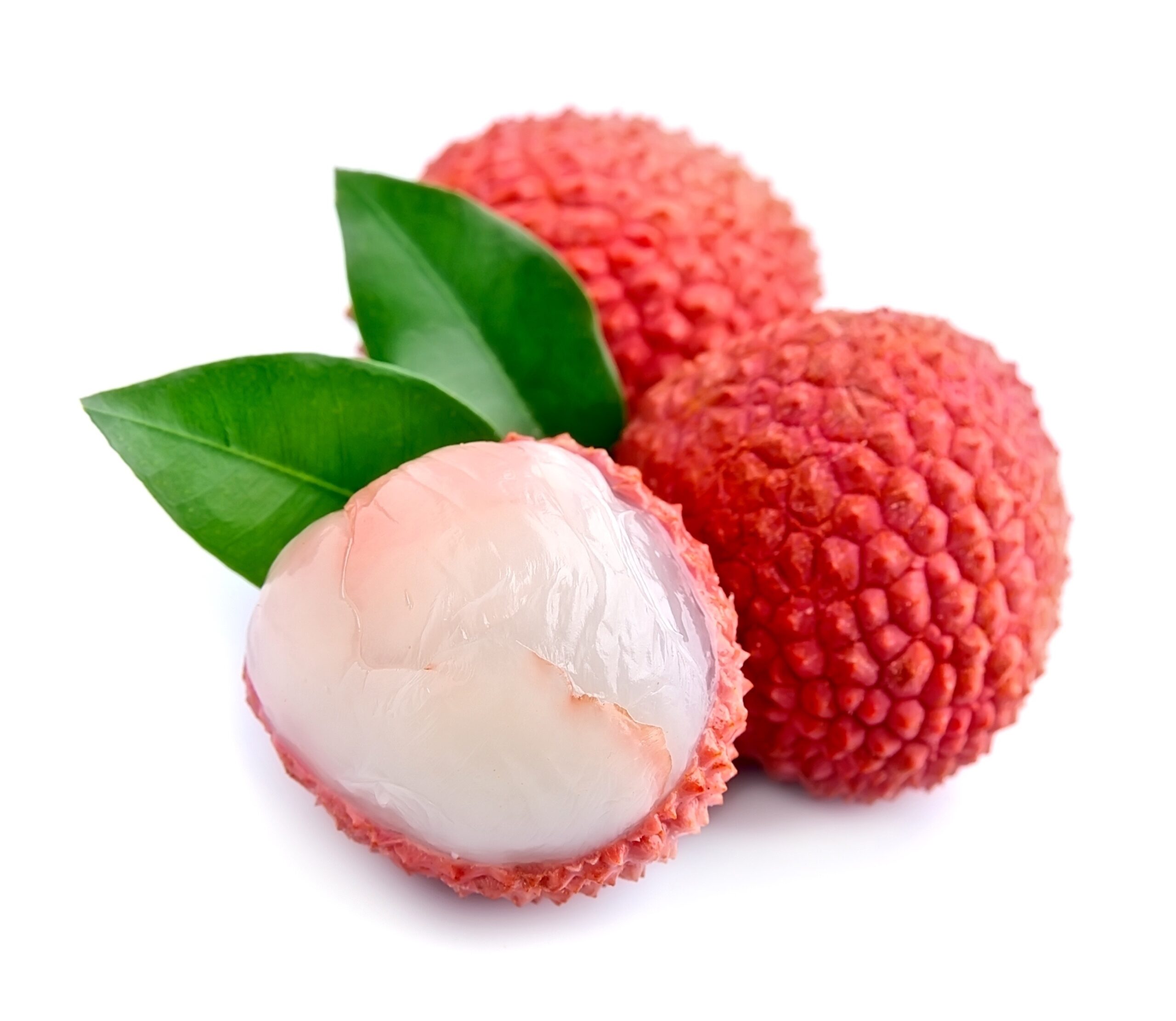
Lychees are botanically classified as Litchi chinensis and are a member of the soapberry family, Sapindaceae. They are also referred to as lichi or lichee. There are 200 varieties of lychee that vary in size, color and flavor. The most common variety is called the Mauritius Lychee.
Geography/History
The lychee originates from areas of southern China and South East Asia, including Taiwan, India, Indonesia, Thailand, Vietnam and Laos. It was introduced to the West Indies by traders during the 17th century. Today it can be found growing in other tropical locations throughout Southern Florida, Hawaii and parts of California.
Usage
Litchi chinensis is primarily consumed fresh, either out-of-hand or as part of a fruit salad. The flesh can also be canned in syrup and used in jams, jellies, ice creams and drinks. Lychees can also be dried or frozen for later use.
Nutrition
The lychee contains an abundance of nutrients including Vitamins B1, B2, B3 and C. It is also a good source of calcium, magnesium, phosphorus and potassium. In addition to its nutritional benefits, lychees have been shown to contain antioxidant properties that may help reduce the risk of certain diseases such as cancer and heart disease.
Regulation/Safety Issues
In some areas, there are regulations that govern the sale and production of lychees. For example, in the U.S., lychees must meet certain quality standards and be free from any residues or contamination. In other regions, such as China, regulations also exist to ensure quality control and safety in regards to pesticide use on lychee crops.


