
Seasons/Availability
Asparagus is available year round.
Selection
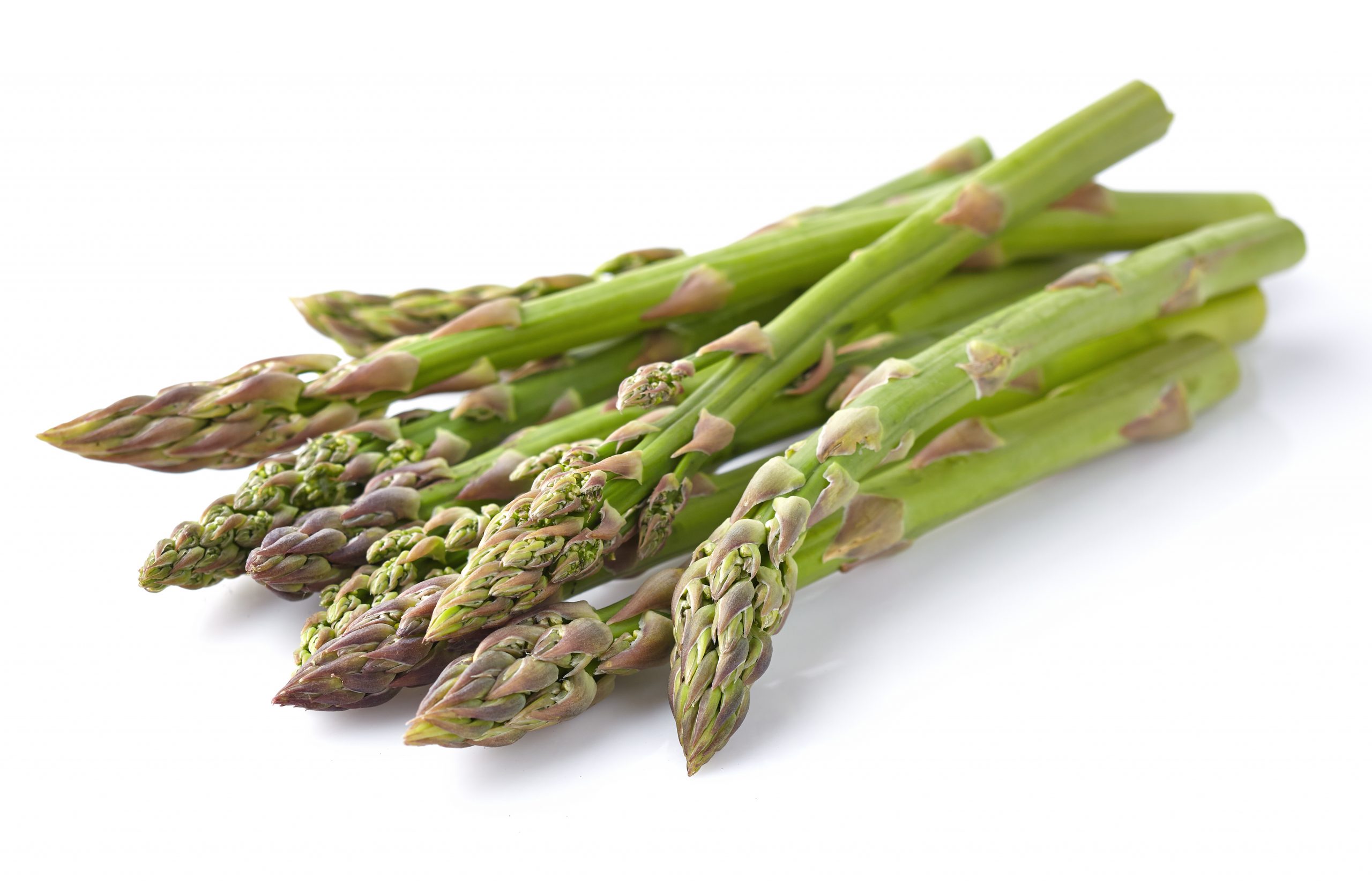
When shopping for Asparagus, choose spears that have smooth skin and a tight head. The stems should be straight with no signs of wilting or yellowing. Avoid excessively thin or thick spears as they may indicate fibrousness or toughness in the texture. Additionally, avoid woody-looking tips and stalks that are limp or flaccid. It is not necessary to purchase asparagus with the cut ends wrapped in a moist paper towel or plastic wrap unless you intend on using them within one to two days.
Storage
Keep fresh Asparagus in the refrigerator, loosely wrapped in a damp cloth. The spears can also be stored upright in a jar filled with an inch of water and lightly covered with a plastic bag. Asparagus can last up to seven days when stored properly. Cooked asparagus can be stored in an airtight container for three to four days. Additionally, the spears can also be blanched and frozen for up to one year. Place the spears on a tray lined with parchment paper or wax paper and freeze until solid before transferring them into a sealed container or plastic bag. Thawed asparagus should be cooked before consuming.
Preparation
Asparagus is considered a low-maintenance vegetable and is easy to prepare. Peel off any woody stems, rinse thoroughly in cool water, and pat dry before cooking. The spears can be boiled, steamed, grilled, roasted, or sautéed. To ensure even cooking, trim the ends to the same size and cook in a single layer. Asparagus is usually cooked until tender but still crisp which takes roughly two to three minutes depending on thickness of spears. When boiling asparagus, wait for water to come to a rolling boil before adding the spears and cook only until desired doneness is reached. Boiling for too long can cause the spears to become soggy and lose their flavor. Sautéing requires a bit of oil and a light seasoning, and should be cooked in a single layer with occasional stirring until desired doneness is reached. Grilling or roasting asparagus will give it a smoky flavor. When grilling, preheat the grill to medium-high and lightly oil or coat spears with cooking spray. Grill for two to three minutes and turn every 30 seconds until desired doneness is reached. When roasting, line a baking sheet with foil and preheat oven to 400 degrees Fahrenheit. Place asparagus onto the prepared baking sheet, drizzle with oil, season with salt and pepper, and roast for 10 to 12 minutes until desired doneness is achieved.
Asparagus can also be eaten raw by shaving it into thin slices with a vegetable peeler. Shaved asparagus makes a great addition to salads and sandwiches. It can also be juiced or pickled for added flavor.
No matter how you prepare them, asparagus is a great source of vitamins, minerals and antioxidants. Enjoy asparagus for its flavor and nutrition benefits!
Enjoy your delicious asparagus dishes with friends and family! Bon Appetit!


