
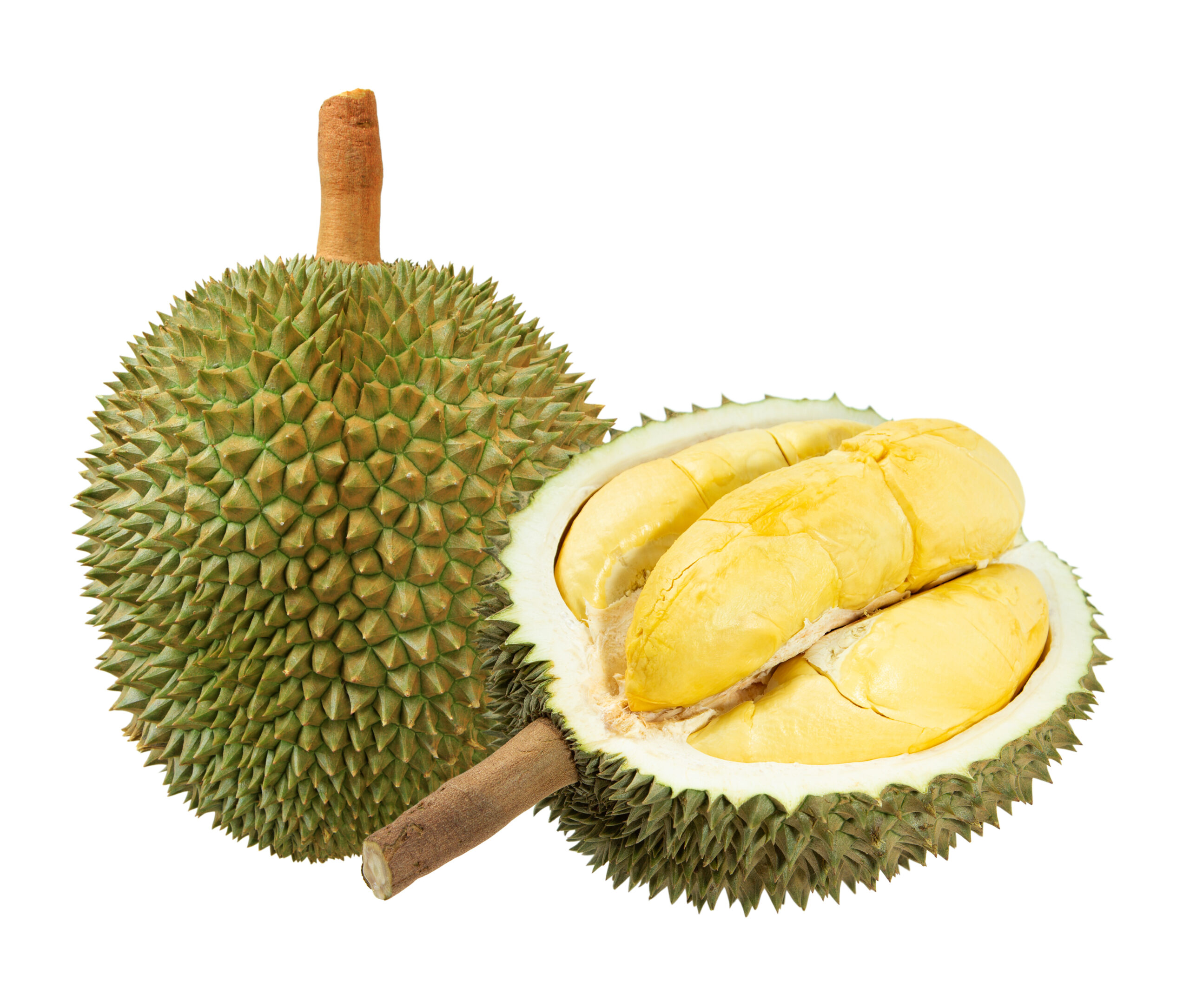
Seasons/Availability
The peak season for durians is July to October, although some varieties can be found throughout the year. Durian fruit is highly perishable and should be consumed within a day or two of harvest. In the United States, it can occasionally be found in specialty grocery stores and Asian markets.
Nutritional Value
Durian fruit offers a wealth of nutritional benefits. It’s especially high in magnesium and potassium for strong bones and muscles, it’s full of antioxidants to help fight free radicals, and it contains plenty of dietary fiber to keep things moving smoothly throughout the digestive system. Additionally, durian has roughly 30 percent more calories than other fruits, making it an excellent choice for those looking to add some extra energy into their diet.
Uses
Durian can be eaten raw or cooked in a variety of dishes. It can also be used to make smoothies, jams, chutneys, and even ice cream. For a more savory alternative, durian can also be incorporated into curries. It’s a unique fruit that offers lots of options for those looking to experiment with new flavors.
Storage
Durian should be stored in a cool, dry place away from direct sunlight and humidity. To preserve its freshness for longer periods of time, the fruit can be wrapped in plastic or paper and refrigerated for up to two weeks. Durian can also travel long distances when stored properly in airtight containers or vacuum sealed bags. This makes it possible to enjoy the flavor of this exotic fruit regardless of where you are in the world!


